

15 days of post-purchase support for any query you have. And if you work through the kit and see no change in your child's ability to name, understand, or manage emotions — write to us and we'll make it right.
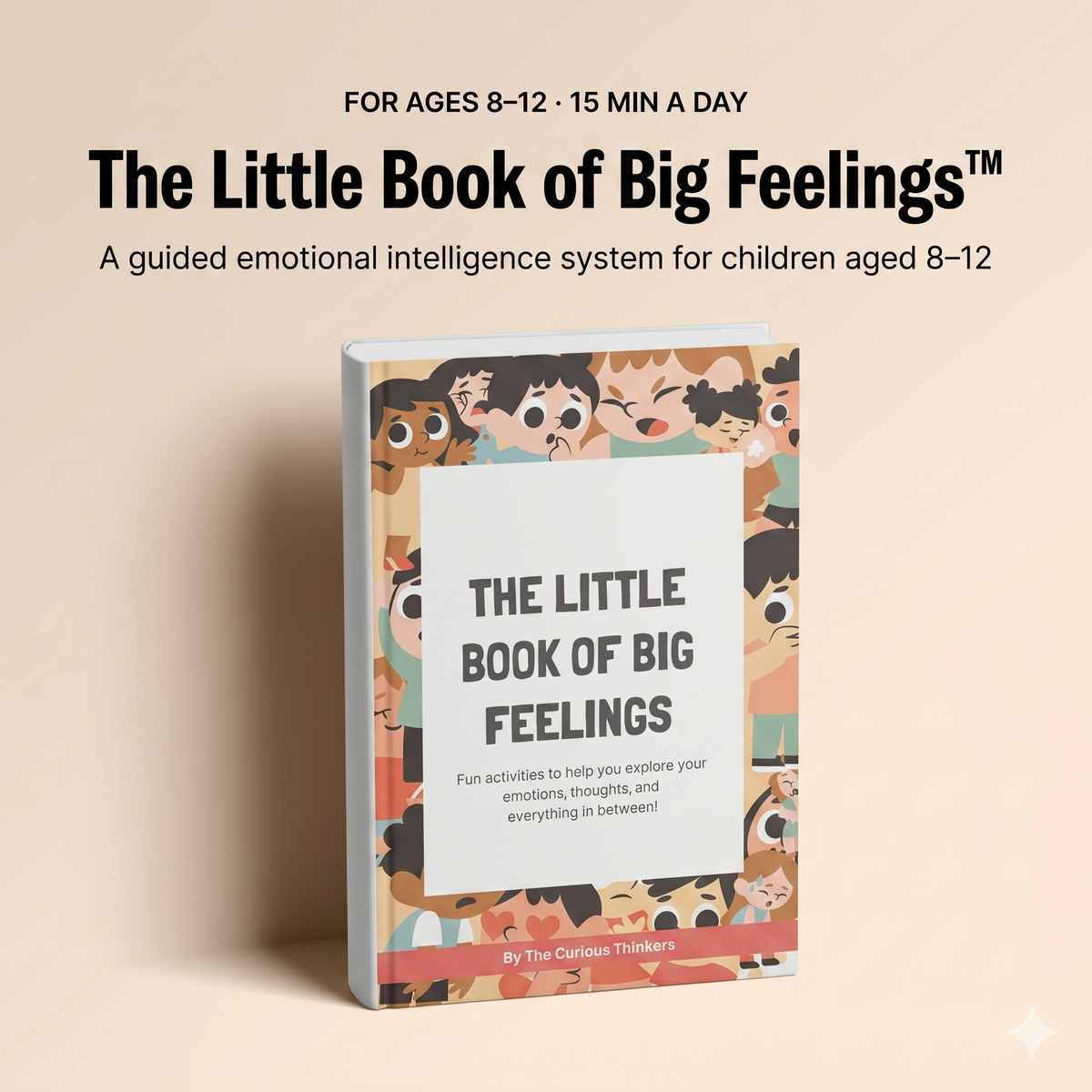
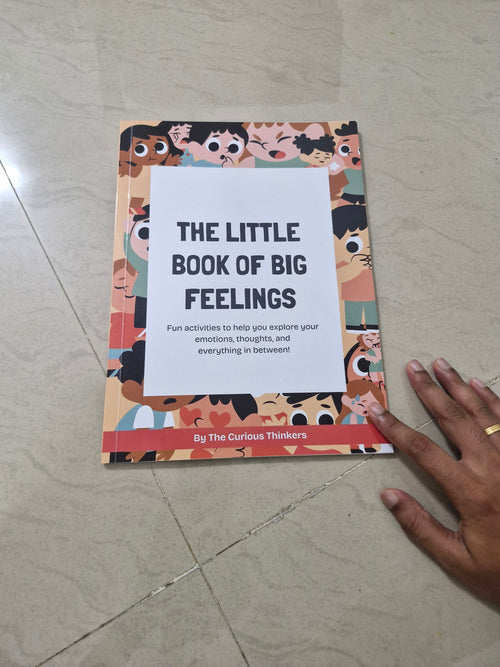
The Big Feelings Kit (For Ages 8-12 years)
Help your child name their feelings, calm their storms, and build confidence — one page at a time.
- ✓Rooted in modern research
- ✓Fits in even busy schedules
- ✓No prior skills or experience needed
How fast will it ship?
Orders ship within 24–48 hours, with free delivery across India in 3–6 business days.
Will my child actually use it?
It's built like play, not homework — puzzles, stories, and drawing, not lectures.
What if it doesn't work for us?
You're covered by our 30-day promise — if you see no change, write to us and we'll make it right.
15 days of post-purchase support for any query you have. And if you work through the kit and see no change in your child's ability to name, understand, or manage emotions — write to us and we'll make it right.

See how the workbook is transforming their lives
"She finally has words for his anger instead of throwing things."
Meghna R. · Mother of 9-yr-old"Bedtime tantrums are basically gone. This was worth every rupee."
Arjun & Divya · Parents of twins"My son now says 'I'm frustrated' instead of melting down."
Sneha P. · Bengaluru"Our whole evening routine feels calmer. Teachers noticed too."
Fatima K. · HyderabadWhat's inside the toolkit
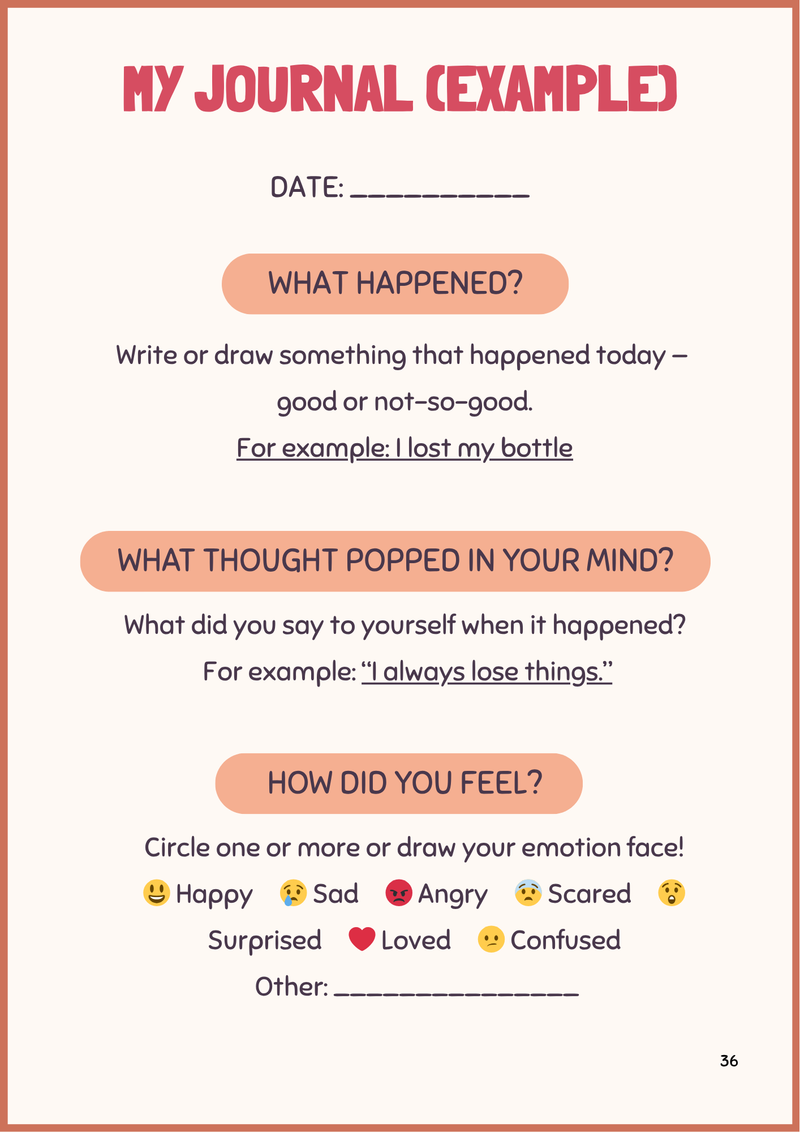
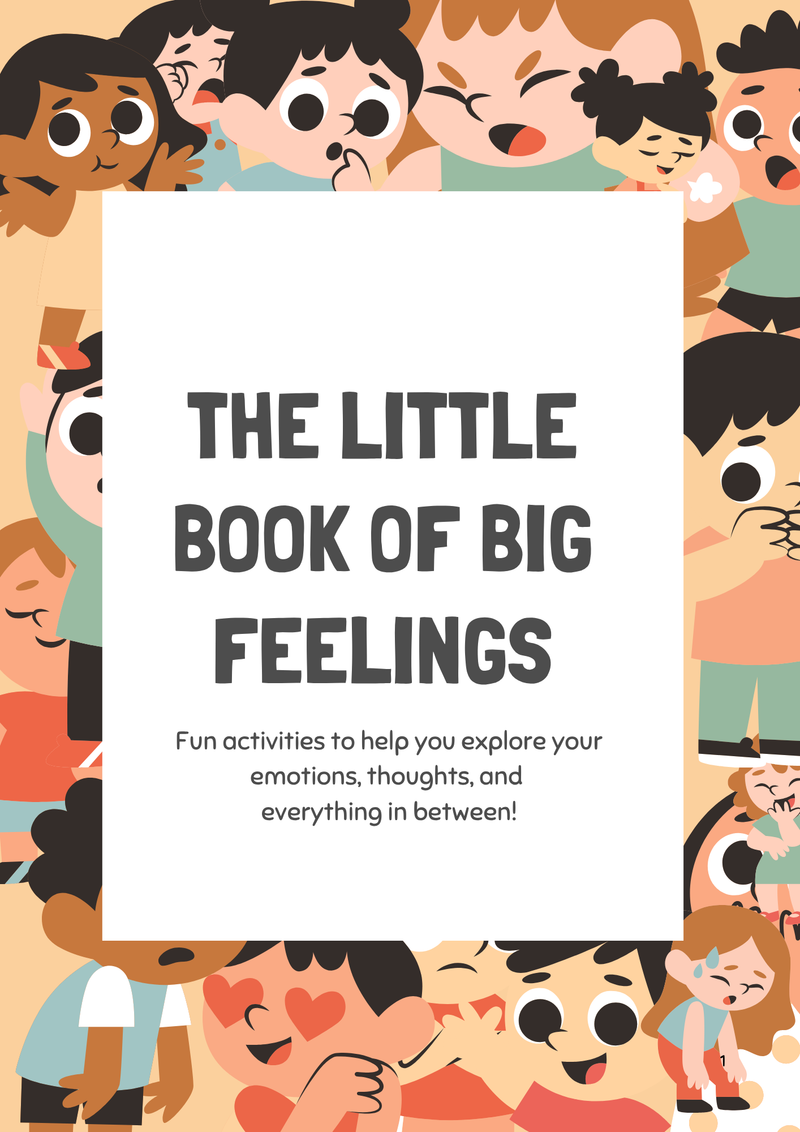
A guided 4-part journey — name it, feel it, understand it, flip it — that turns confusing emotions into skills your child can use for life.
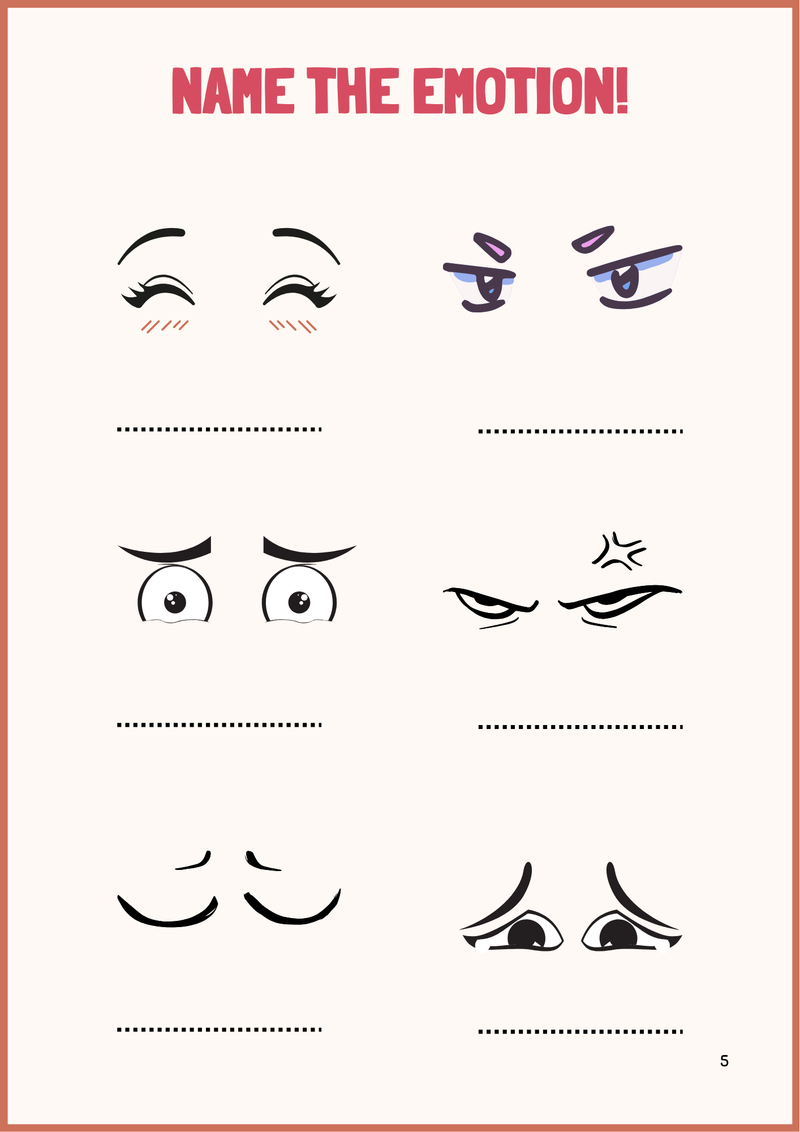
Emotions 101 — Name Them, Spot Them, Know Them
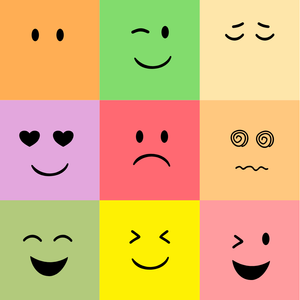
Helps your child learn simple and complex emotions through fun activities.
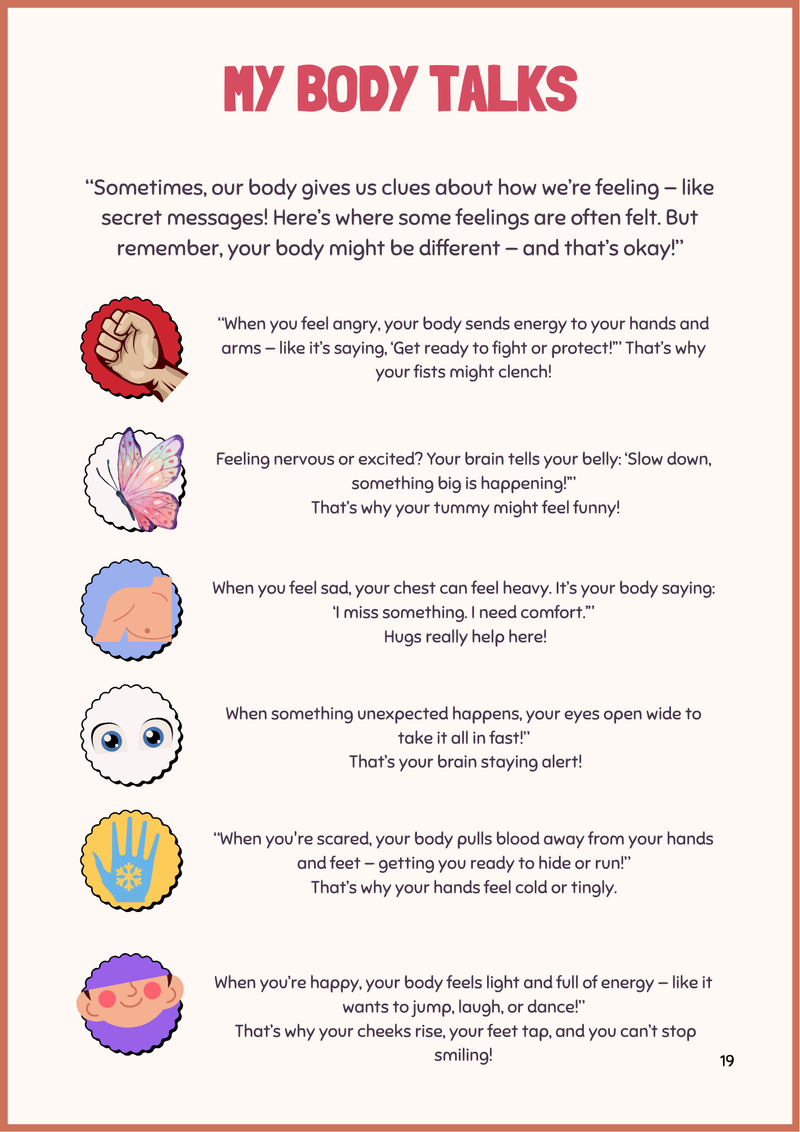
Where Do Feelings Live?
Kids discover how emotions show up in the body — a racing heart, a tight tummy, clenched fists.
What Was I Thinking?
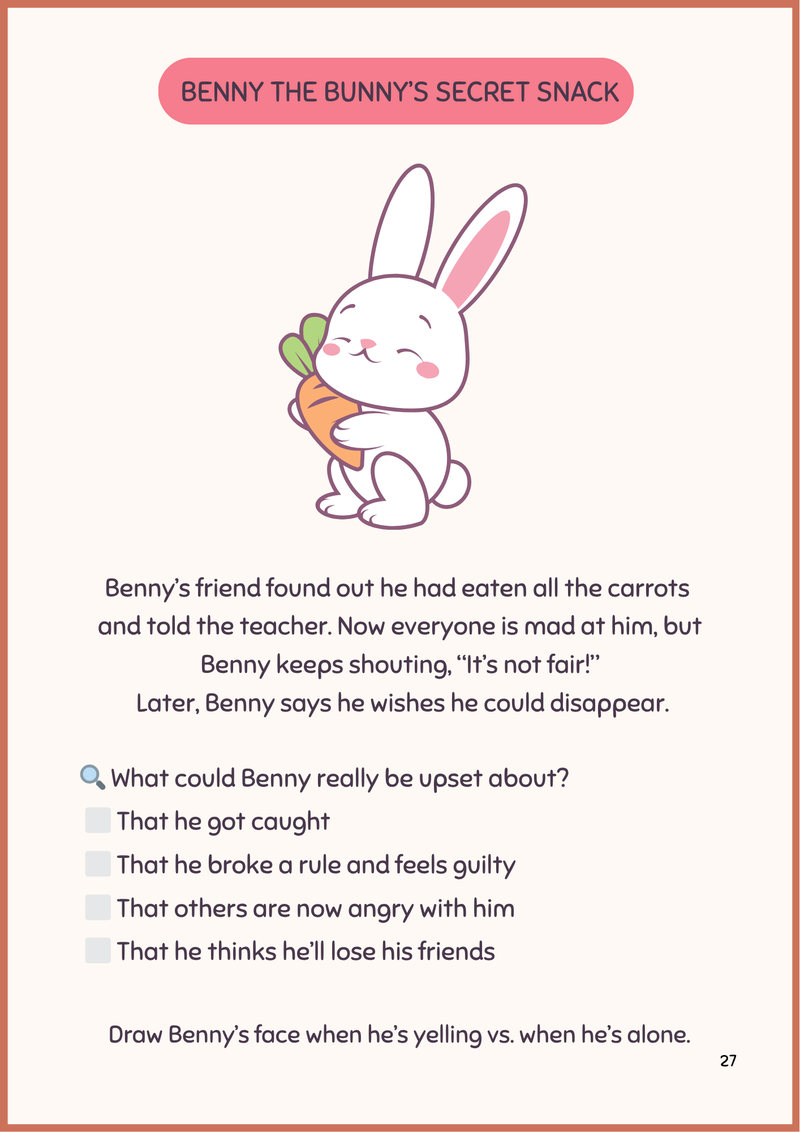
Through relatable stories, children learn that thoughts shape feelings — and become "feelings detectives" for themselves.
Change Your Thought, Change Your Feeling
Kids practice flipping unhelpful thoughts ("I always mess things up") into kinder ones ("I just need more practice").
Why parents choose this over apps, therapy, or other workbooks
No screens, no waitlists, no complicated jargon — just a simple, proven method your child can use anytime, anywhere.
Best-in-class, expert-backed methods
Every page is grounded in psychology and philosophy. We pride ourselves on making it practical so parents don't have to "figure it out."

Real-world activities
No boring lectures. Everything is built around fights with friends, stage fright, exam nerves — things your child faces daily.

Bye-bye, screen addiction
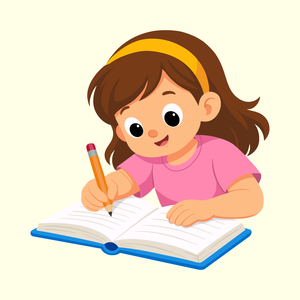
Instead of yet another app, this printable tool gets kids writing, drawing, and engaging with themselves.
Works with or without you
Unlike workbooks that need constant parental guidance, this is built so kids can use it independently once they know the format.
Calmer mornings. Easier bedtimes. A child who handles hard moments without falling apart.





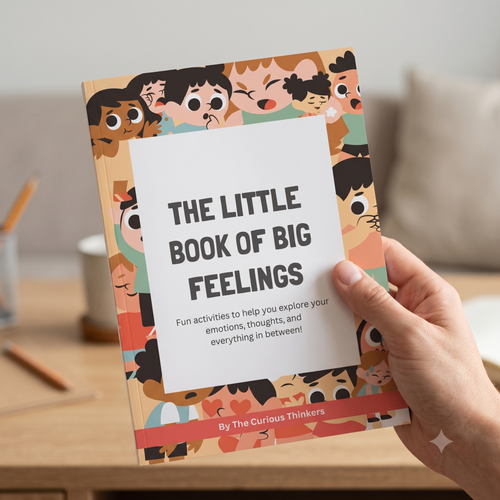
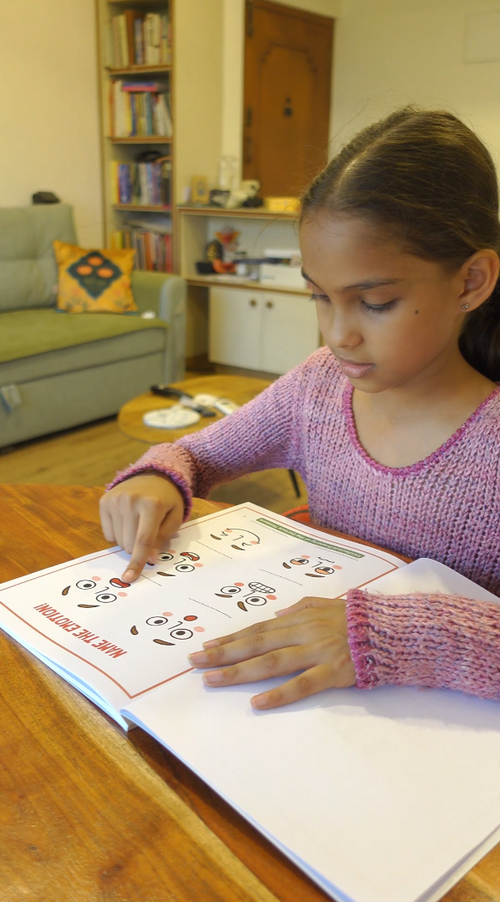
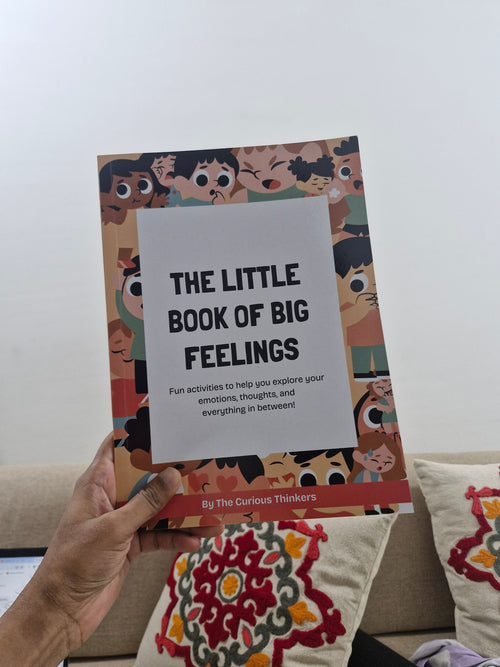
Everything your child needs to master their emotions
One kit, four tools, zero guesswork — here's exactly what's in the box.
Why parents switch to this after trying everything else
We stand behind every kit we send out
You get 15 days of post-purchase support — reach out to us for anything at all, and we'll help you through it. And if you work through the entire book and see no change in the way your child names, understands, or manages their emotions, write to us and we'll make it right. We care about the outcome for your family more than we care about the sale.
One common reaction: "This actually works."
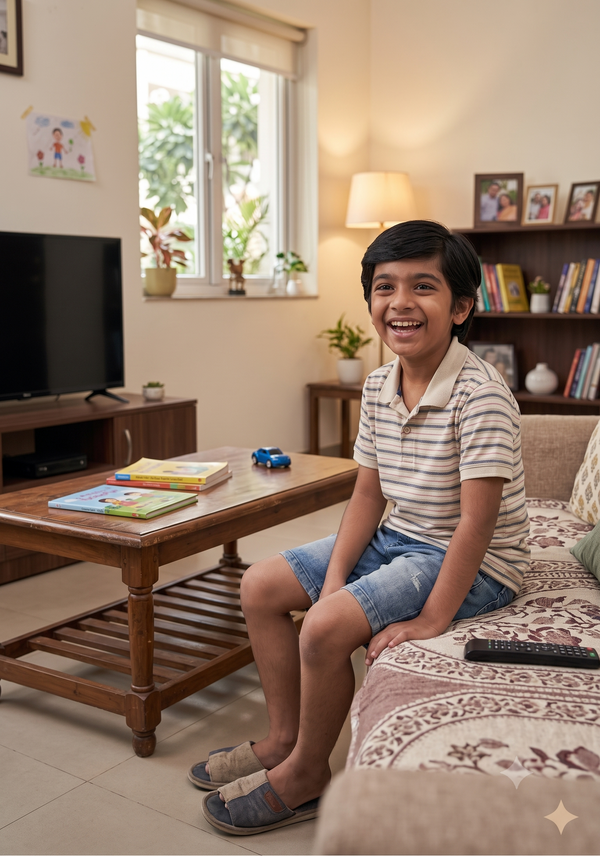
Here's what happens when kids finally get the right tools to understand their own emotions.
The most common things parents ask before ordering
My child is very stubborn and resists anything that feels like "learning" — will they reject this?
This is the most common concern we hear, and the reason the workbook is designed the way it is. No lectures, no right-or-wrong answers. It's drawing faces, solving puzzles, reading animal stories, and guessing emotions — kids engage because it feels like play, not a lesson.
Is this just for kids who have emotional problems, or is it for all kids?
Every child has big feelings — this isn't a "fix your broken child" book. It's an emotional skill-building tool, the same way a math workbook builds math skills.
My child is 6 — is that too young? Or 13 — is that too old?
The sweet spot is 8–12, but we've had parents use it successfully with mature 6-year-olds and with 13-year-olds who connected deeply with the journaling and thought-flipping sections.
What if we start it and my child loses interest halfway through?
The workbook is designed in short, self-contained activities — not one long assignment. If they lose interest, just pause and come back. There's no sequence pressure.
Will this help with my child's academic performance too?
Not directly — but parents consistently report that when a child stops melting down over a tough problem, their grades naturally improve.
What age group and how many pages/chapters?
Suitable for ages 8–14. There are roughly 35 pages across 4 chapters — designed for kids to use independently once they know the format.